Transcriptional and PostTranscriptional Biology Diagrams Autophagy, like cell cycle arrest, is induced in response to a variety of stress conditions, where it plays a pivotal role in preserving cellular viability . While the correlative induction of autophagy and cell-cycle arrest has been extensively documented, the molecular mechanisms linking them together are still debated and largely unknown.
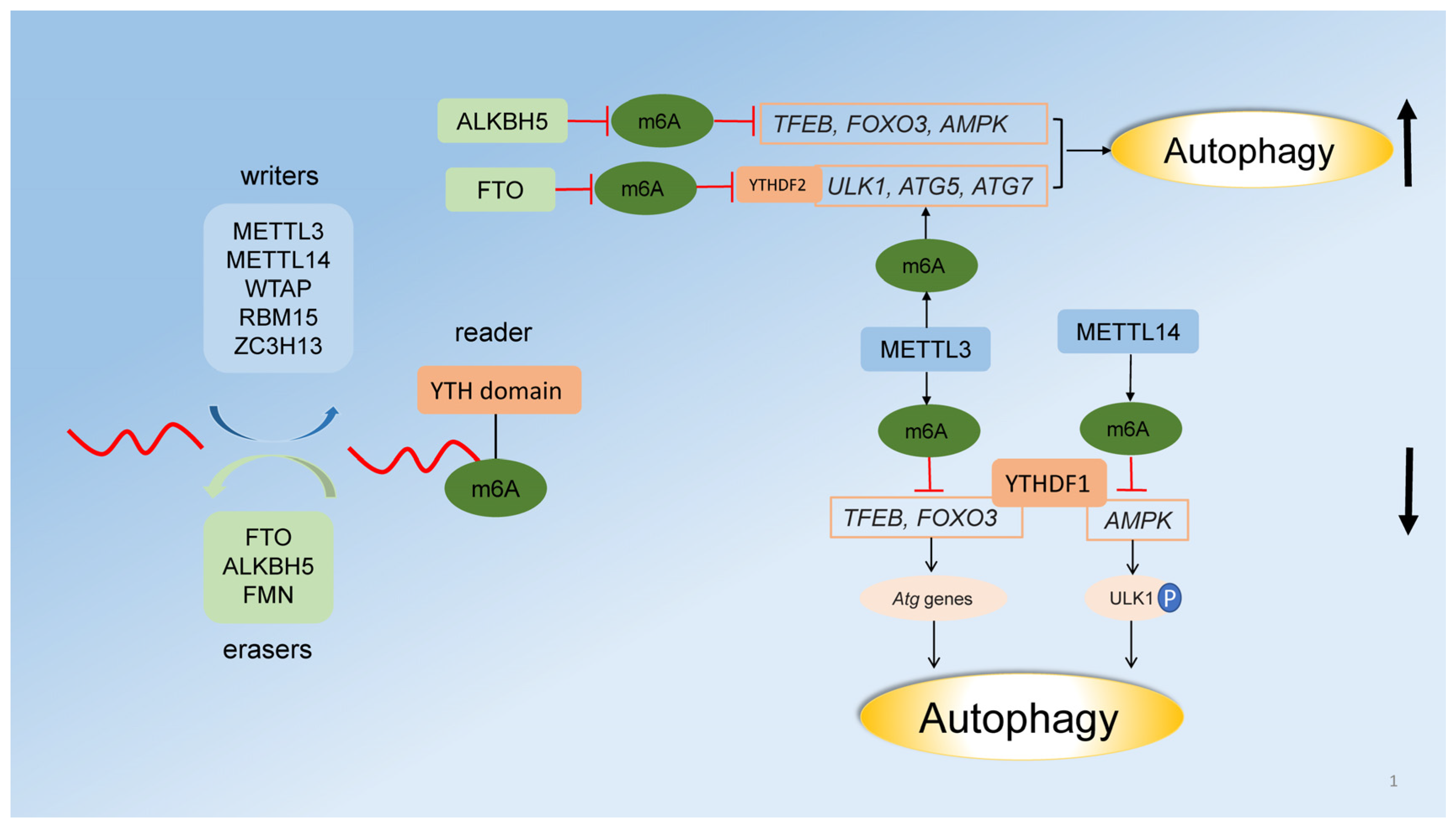
Autophagy has been postulated to prevent tumorigenesis by limiting necrosis and inflammation, inducing cell cycle arrest and preventing genome instability [22,23]. Autophagy has also recently been shown to be required for key aspects of the senescent cell phenotype [ 24 ], which is known to be anti-tumourigenic. The mammalian cell cycle is divided into four sequential phases, namely G1 (Gap 1), S (synthesis), G2 (Gap 2), and M (mitosis). However, the mechanism underlying the turnover of Wee1 is not fully understood. Autophagy, a highly conserved cellular process, maintains cellular homeostasis by eliminating intracellular aggregations, damaged Autophagy is a self-degradation pathway, in which cytoplasmic material is sequestered in double-membrane vesicles and delivered to the lysosome for degradation. Under basal conditions, autophagy plays a homeostatic function. However, in response to various stresses, the pathway can be further induce …

Mediated Autophagy in Cell Cycle Control and Its ... Biology Diagrams
The degradation of cell cycle proteins can facilitate cell cycle exit. The process of autophagy also liberates macromolecules for the newly generated cell to build membranes, synthesize RNA and

More importantly, cell cycle inhibitors, such as genotoxic drugs that cause DNA damage and cell cycle arrest to inhibit tumor cell division, always activate autophagy, which delays cell death and may therefore lead to chemoresistance 15, 126, 173. It is important to evaluate the ability of specific autophagy to affect the efficacy and
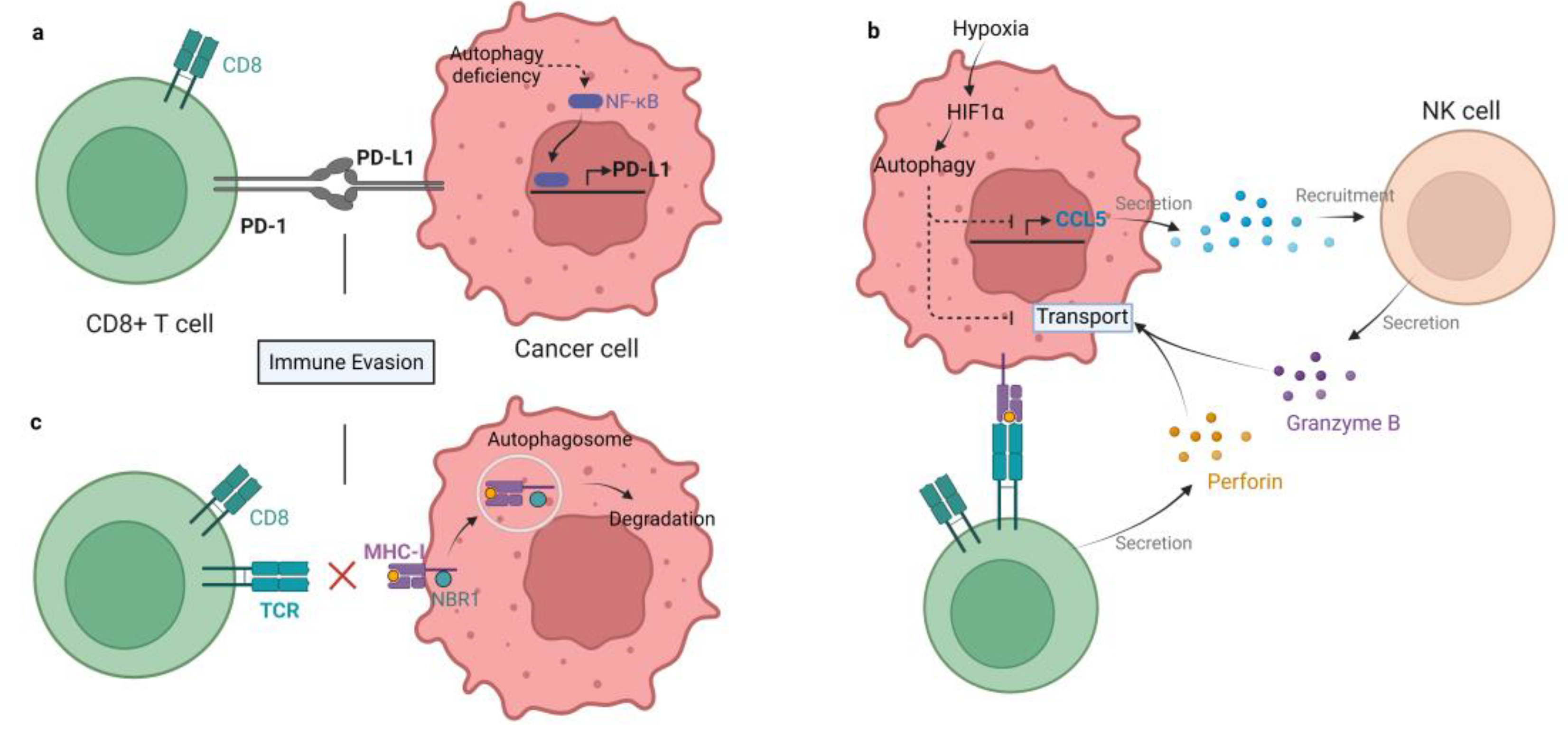
Selective Autophagy Regulates Cell Cycle in Cancer Therapy Biology Diagrams
autophagy, is controlled upstream by mTOR (21), which 10, argues for a coordinated regulation of autophagy and cell-cycle progression. In the present review, we will focus on various aspects of the reciprocal regulation connecting autophagy and the cell cycle. Cell-cycle progression is governed by cyclin-dependent kinases (CDKs).
